
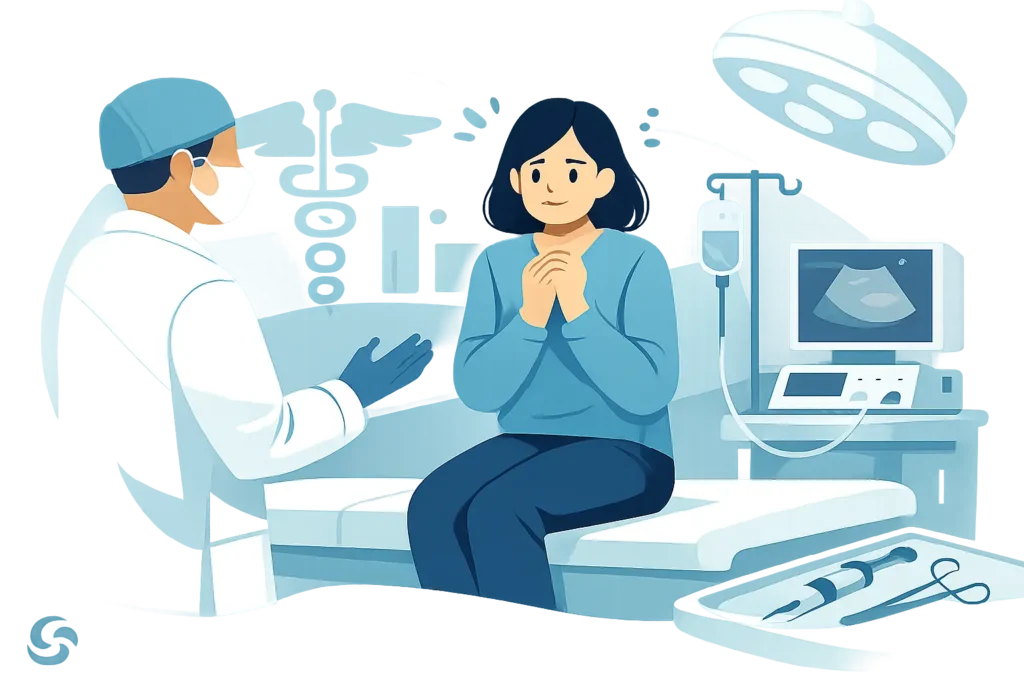
A lot of people can cope with pain better than uncertainty. It is not always the needle, the scan, the dental chair or the hospital smell that gets them. It is the build-up, the waiting, the images in their mind, and that rising sense of losing control. If you are struggling with overcoming medical procedure fear, you are not weak, dramatic or being difficult. Your brain is reacting as if something dangerous is about to happen, even when part of you knows the procedure is there to help.
That gap between what you know logically and what you feel physically is where many people get stuck. They tell themselves to calm down, but their body does the opposite. Heart racing. Sweaty palms. Tight chest. Shallow breathing. The more they try to force it away, the stronger it can feel.
Why medical procedures trigger such strong fear
Fear around medical treatment is rarely just about the procedure itself. For some, it is about pain. For others, it is embarrassment, loss of dignity, bad past experiences, fear of bad news, or feeling trapped. A person who seems fine talking about an appointment can still panic the night before because the unconscious mind has linked medical settings with threat.
That is why reassurance alone does not always work. You can be told, truthfully, that a procedure is quick, routine and safe, and still feel terrified. The conscious mind hears the facts. The nervous system hears danger. Until that fear response is addressed properly, the problem can keep repeating.
Sometimes the fear started with one bad experience years ago. A painful injection in childhood, a distressing hospital visit, a fainting episode, or watching someone else struggle can leave a deep imprint. In other cases, the fear has built up gradually. Each appointment becomes harder, avoidance creeps in, and eventually even booking the procedure feels overwhelming.
Overcoming medical procedure fear starts before the appointment
Most people focus on getting through the day itself. That matters, but the work really begins earlier. The build-up is often where the fear grows teeth. If your mind keeps rehearsing disaster, your body practises panic long before you ever enter the room.
The first step is to stop treating your fear like an enemy and start treating it like a pattern. Patterns can be changed. When you understand that your reaction is learned, not fixed, things begin to shift. You are not broken. Your brain has simply become overprotective.
One of the most effective ways to reduce fear is to become specific. Vague fear feels huge. Specific fear can be worked with. Ask yourself what exactly feels hardest. Is it the anticipation, the smell of the clinic, the needle, lying still, not knowing what is happening, or worrying you will panic in front of people? Once you name the real trigger, you can target it properly instead of battling a fog of anxiety.
Breathing techniques can help, but only when used correctly. Many anxious people try to take big deep breaths, which can actually increase dizziness and tension. Slower, steadier breathing is usually more useful. In through the nose, gentle and controlled, then a longer, slower out breath. The goal is not to perform a perfect relaxation exercise. It is to signal safety to the body.
Mental rehearsal also matters. If your imagination is strong enough to create panic, it can be trained to create steadiness. Rehearsing yourself arriving, sitting calmly, hearing instructions and coping well can reduce the shock response on the day. It does not mean pretending to love the procedure. It means building familiarity so your system does not treat it like a full-scale threat.
When fear becomes avoidance
Avoidance gives short-term relief and long-term trouble. Cancelling, postponing, leaving appointments until symptoms get worse, or relying on someone else to talk you through every step can feel helpful in the moment. But each time fear wins, the brain gets the message that the procedure really was too dangerous to face.
This is how the cycle tightens. The fear grows because the nervous system never gets to learn a different outcome. In some cases, people delay important tests or treatment for months or years. They know it is affecting their health, but the emotional barrier feels stronger than logic.
That is why overcoming medical procedure fear is not just about bravery. It is about changing the emotional response underneath the behaviour. White-knuckling your way through one appointment might get you over the line once, but if the underlying fear remains, the next procedure can feel just as bad or worse.
What actually helps with overcoming medical procedure fear
The right approach depends on what is driving the fear. If it is mild nerves, practical preparation may be enough. If it is linked to trauma, panic, phobia or a strong learned response, deeper therapeutic work is often far more effective.
Hypnotherapy can help by calming the overactive threat response and changing how the mind codes the medical situation. That matters because many fears are not rational problems needing more information. They are emotional programmes running automatically. When the unconscious mind stops treating the procedure as a serious threat, people often find they can attend calmly, feel more in control and recover quicker from the experience.
Mind coaching helps in a different but complementary way. It gives you practical tools to interrupt catastrophic thinking, challenge the meaning you have attached to the procedure, and build a stronger sense of agency. Instead of feeling like something is happening to you, you begin to feel that you can influence how you respond.
Where past experiences are involved, approaches such as EMDR can be useful in reducing the charge around distressing memories. If an old hospital experience is still firing off panic in the present, simply talking about it may not be enough. The memory needs to be processed so it stops hijacking your nervous system.
There is no single method that suits everyone. That is the honest answer. Some people need a few targeted tools. Others need to clear an older fear pattern at the root. What matters is that the fear can change far faster than many people expect when the right approach is used.
On the day of the procedure
Keep things simple. Too much build-up can feed the anxiety. Give yourself enough time to get there without rushing, but do not spend hours preparing for battle. If the clinic allows it, let staff know you are anxious. Good professionals see this every day, and clear communication often reduces the sense of being alone with it.
Use grounding rather than constant self-monitoring. Looking for signs of panic tends to amplify them. Instead, notice solid things around you. The chair under you. Both feet on the floor. The sound of someone speaking. A fixed point in the room. Bring your attention back to the present rather than the story in your head.
It also helps to drop the idea that success means feeling completely calm. That standard is too harsh. Success may simply mean attending, staying, and allowing the procedure to happen without running from it. Calm often follows once the pressure to be calm is removed.
If your fear feels bigger than it should
That thought alone tells many people they need support. They say, I know this sounds silly, or I should be able to handle this. But fear does not respond well to shame. In fact, shame usually makes it stronger.
If you have put off treatment, panic at the thought of scans, tests, injections or dental work, or feel your body go into full alarm even when you want to cooperate, it is worth getting proper help. The goal is not to make you tougher. It is to help your mind and body stop reacting as if help is danger.
At Derek Chapman Hypnotherapy, this kind of change is approached in a practical, results-focused way. People do not need endless analysis to start moving forward. They need to feel safe, understood and guided through a process that actually changes the response.
You do not have to wait until the next appointment becomes a crisis. Fear tends to shrink when it is faced the right way, with the right support, and with a method that works at the level where the fear is actually running.
A medical procedure may never become your favourite day out, and that is fine. The aim is simpler than that. To walk in with more control, feel steadier in your body, and stop fear from deciding what happens next.