
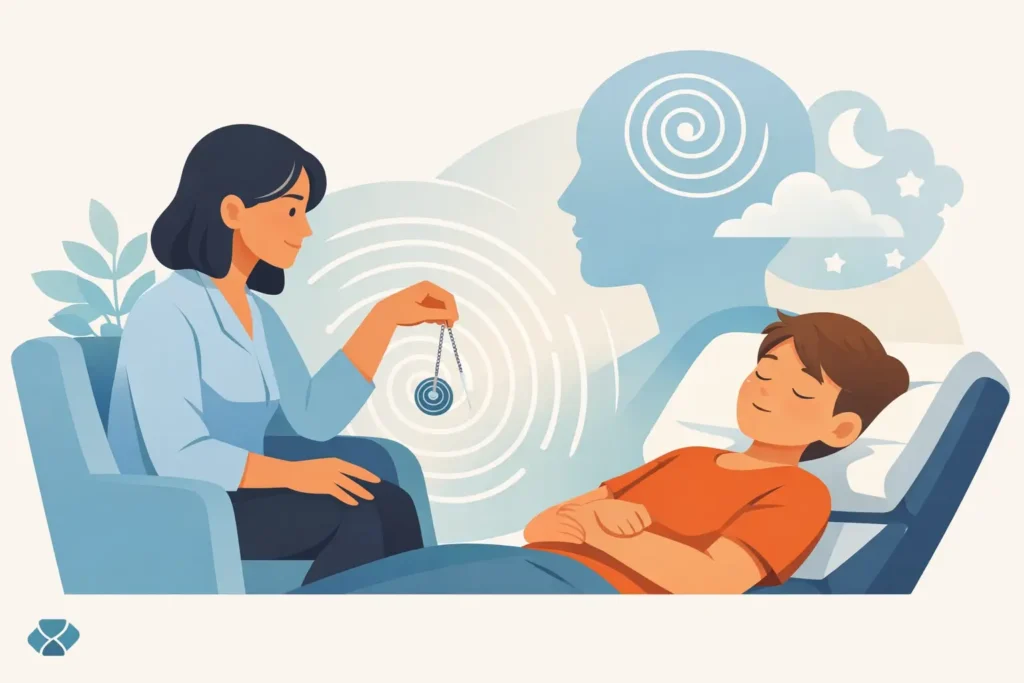
If your child is anxious at bedtime, melting down before school, or stuck in a fear they cannot seem to shake, the question becomes very real, very quickly – is hypnotherapy safe for children? Most parents are not looking for a theory lesson. They want to know whether it is safe, whether it works, and whether it could help their child feel calmer without making things worse.
The short answer is yes, hypnotherapy can be safe for children when it is done properly, for the right reason, and by someone who knows how to work with young people. But that is not the same as saying it is right for every child, in every situation, with every practitioner. That is where a lot of the confusion starts.
Is hypnotherapy safe for children in real life?
A lot of parents hear the word hypnosis and picture stage shows, loss of control, or somebody being made to do something silly in front of a crowd. That is not therapy. Proper hypnotherapy is nothing like that.
In practice, it is usually a calm, focused way of helping a child settle their mind and respond differently to a problem. That might be anxiety, panic, sleep struggles, confidence issues, school worries, habits, fears or phobias. The child is not unconscious. They are not under somebody else’s control. They are aware, they can speak, and they can stop at any point.
Children often go into naturally focused states anyway. You see it when they are absorbed in a story, a game, drawing, music, or daydreaming. Hypnotherapy works with that natural ability rather than forcing anything unnatural on them.
So yes, for many children, it is safe. The bigger question is whether the person doing it understands children well enough to make it useful and appropriate.
Why parents worry about it
The worry usually comes from a good place. Parents want to protect their child. They do not want them overwhelmed, pushed too far, or left feeling more confused.
Some of the fear comes from myths. Some comes from bad experiences with professionals who have talked around the problem without changing it. And some comes from the fact that when your child is struggling, everything feels more loaded. You are not choosing a haircut or a tutor. You are making a decision about their emotional wellbeing.
That is why safety is not only about whether hypnotherapy itself is gentle. It is also about how the whole process is handled. A safe approach should feel clear, respectful and age appropriate. It should never rely on pressure, shame, or making a child talk through things they are not ready to talk about.
What actually makes hypnotherapy safe for children?
The safety comes less from the label and more from the way it is delivered.
First, the child has to be suitable for the work. Not every issue is a hypnotherapy issue. Sometimes a child needs medical support first. Sometimes what looks like anxiety is tied to something physical, developmental, or neurological that needs a different route. A decent practitioner should be honest about that.
Second, the method has to fit the child. Younger children usually respond better to simple, imaginative, practical approaches than long explanations. Teenagers often want to know what is happening and why. If somebody uses the same script for every child regardless of age, temperament, or problem, that is a red flag.
Third, the child needs to feel safe with the person helping them. If they feel judged, pressured, or confused, they will either resist it or simply go along with it without any real change happening.
And fourth, parents need to be part of the process in the right way. That does not mean hovering over every second. It means being informed, involved where appropriate, and clear on what the goal is.
When hypnotherapy can help a child
Children often respond well because they are usually less stuck in overthinking than adults. They can shift quickly when the right door is opened.
That might mean helping a child who cannot sleep because their mind races at night. It might mean calming severe worry before school, easing a phobia around dogs, needles or being sick, or helping with confidence before exams or sports. Some children also use it well for habits such as nail biting or other stress based behaviours.
Where it tends to work best is when the issue is clear and the child wants things to change, even if they do not fully know how. If a child feels frightened by their own reactions and wants some relief, they are often far more receptive than adults expect.
When you need to slow down
This is the part people sometimes skip. Just because something can help does not mean it should be rushed.
If a child is in crisis, self harming, showing signs of serious depression, hearing or seeing things that are not there, or dealing with safeguarding concerns, that needs the right level of support straight away. Hypnotherapy is not a replacement for medical care, crisis support, or specialist intervention where needed.
The same applies if a parent is more invested in the change than the child is. You can encourage a child, guide them and support them, but you cannot force meaningful change into them. If they feel dragged into a session to please an adult, the work becomes harder and far less useful.
A better way to think about safety
Parents often ask whether hypnosis is safe as if the risk sits inside the trance itself. Usually, that is not where the real issue is.
A better question is this: does the child feel understood, is the approach appropriate, and is the aim clear?
Children do not need heavy analysis. They do not need to relive upsetting events in detail to improve. In many cases, they need their nervous system to settle, their imagination to work for them instead of against them, and a different emotional pattern to take hold.
That is why a practical, structured approach matters. If the focus is on helping the child feel safer, calmer and more in control, without turning the process into something dramatic, the work is usually far more effective.
How to choose the right support
If you are considering hypnotherapy for your child, trust your instincts but do not stop there. Ask simple, direct questions. What sort of issues do they help children with? How do they adapt sessions for different ages? What role do parents play? What happens if the child does not want to continue?
You are not looking for the fanciest explanation. You are looking for clarity. The right practitioner should be able to explain the process in plain English and make it feel straightforward rather than mysterious.
It also helps to notice whether the person talks about children as individuals or as problems to fix. The best work happens when a child feels met where they are, not pushed into somebody else’s idea of what they should be.
What parents can expect
Most parents are surprised by how normal it feels when it is done well. There is rarely anything dramatic about it. Often the change shows up in small but powerful ways first. A child falls asleep faster. They stop dreading school as much. They cope better with a trigger that used to send them into panic. They seem lighter.
That matters, because when a child changes early, the whole family often feels it. Mornings get easier. Bedtimes stop being battles. Parents are not walking on eggshells quite so much. The issue stops running the house.
And that is really the point. Not to make a child perfect, but to help them get back to being themselves.
Is hypnotherapy safe for children? The honest answer
Yes, hypnotherapy can be safe and helpful for children. But safe does not mean casual. It means thoughtful. It means using the right approach with the right child for the right problem.
If your child is struggling, you do not need more vague reassurance. You need a clear route forward. For many families, hypnotherapy can be part of that route, especially when it is handled in a calm, practical, child centred way.
The aim is not to give your child another label or drag them through endless talking. The aim is to help them feel safer in themselves, more settled in their body, and less controlled by fear, habits, or overwhelm. When that happens, everything starts to change around them as well.
Ready to experience real change or keep repeating the same pattern? Book your Real Change Meeting here (https://Derekmindcoach.as.me/)