
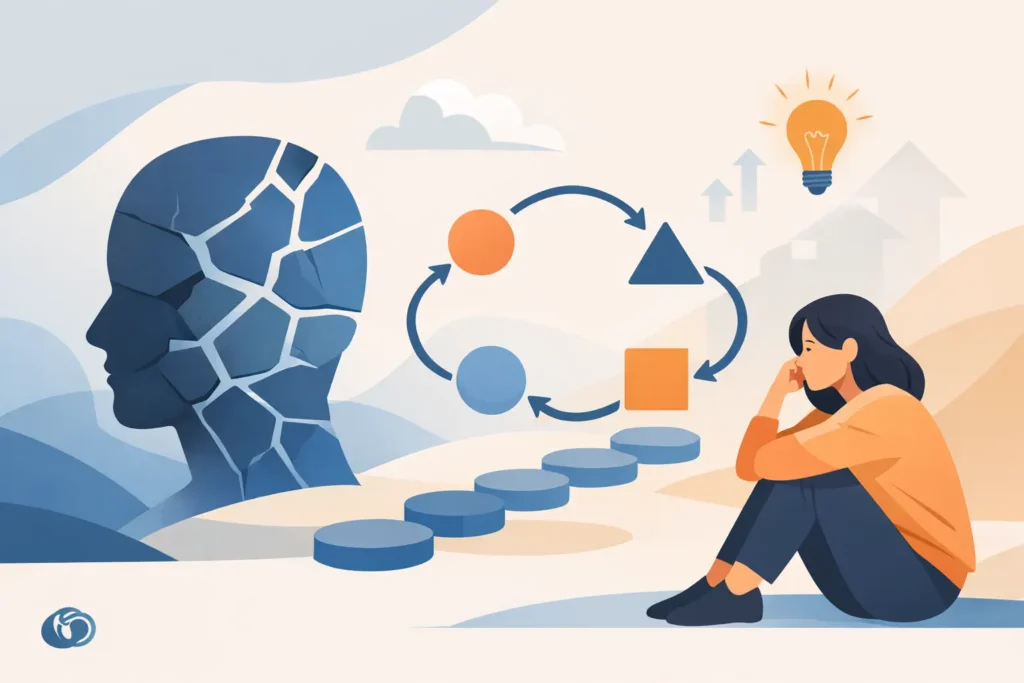
The real problem is rarely the drink
One of the biggest mistakes people make is believing alcohol is the problem.
Very often, it isn’t.
Alcohol is the solution your mind learned.
Not a healthy solution.
Not one that gives freedom.
But a solution all the same.
For one person it quietens anxiety.
For another it creates confidence.
For someone else it marks the end of responsibility after a stressful day.
Some people drink to switch off.
Others drink so they can finally feel normal.
That is why no two drinking habits are the same.
From the outside they may look identical.
From the inside they are completely different.
The bottle is not telling the story.
The pattern is.
Alcohol is often the gateway to drugs
This is something I see time and time again.
A client books an appointment because they want to stop cocaine.
Or cannabis.
Or another drug.
Naturally, they believe the drug is the biggest problem.
But after talking things through, a different picture usually appears.
Alcohol came first.
A few drinks lowered their guard.
Their judgement changed.
Their confidence increased.
The phone came out.
The dealer was called.
The cocaine followed.
I’ve heard that story more times than I can remember.
Sometimes it isn’t cocaine.
Sometimes it’s cannabis.
Sometimes it’s ketamine.
Sometimes it’s prescription medication.
But for many people, alcohol is the gateway.
That doesn’t mean everyone who drinks will use drugs.
Far from it.
But if alcohol is the trigger that opens the door, stopping the drug without addressing the drinking often leaves the same pattern waiting to happen again.
The drug changes.
The pattern doesn’t.
That is why I don’t separate alcohol from drug use.
I look at the whole picture.
Because lasting change happens when the pattern changes.
Why talking about it isn’t always enough
Many of my clients already know why they drink.
They know the history.
They know the triggers.
They know what happened years ago.
Some have spent two years or more in weekly therapy.
Some have invested more than £7,000.
Many tell me exactly the same thing.
“I understand myself better… but I don’t actually feel any different.”
Some even tell me they dreaded every appointment because they knew they would spend another hour going over painful memories.
For some people, that approach is helpful.
For others, it simply keeps the wound open.
Understanding is valuable.
But understanding is not the same as change.
You can understand why you feel anxious and still feel anxious.
You can understand why you drink and still drink.
Knowledge alone rarely changes an emotional pattern.
That is why my work focuses on updating the pattern rather than endlessly analysing it.
The memory can remain.
The emotional reaction doesn’t have to.
When that changes, people often notice something remarkable.
The urge becomes quieter.
Not because they are fighting it harder.
Because their mind no longer sees alcohol as the answer.
You don’t always have to relive the past
One of the biggest myths about anxiety, trauma and addiction is that you must keep talking about the past before you can move forward.
That simply hasn’t been my experience.
The brain updates information throughout our lives.
When the emotional meaning attached to an experience changes, the pattern changes.
You still remember what happened.
But it no longer controls how you live today.
That is very different from pretending the past never happened.
It happened.
But it doesn’t have to keep running your life.
For many clients, that realisation alone feels like a weight has been lifted.
What about detox and rehabilitation?
Let’s be clear.
There are times when detox or residential rehabilitation is absolutely the right decision.
If someone is physically dependent on alcohol, medical support should always come first.
Safety matters.
Health matters.
Rehabilitation can also provide something incredibly valuable.
Time away from old routines.
Distance from triggers.
Structure.
Accountability.
For some people, it is exactly what they need.
But rehabilitation doesn’t automatically change the thinking that sent somebody looking for relief in the first place.
Eventually they come home.
Back to the same environment.
The same relationships.
The same pressures.
The same thoughts.
The same emotional triggers.
That is often where the real work begins.
I’ve worked with people who were considering spending more than £9,000 on rehabilitation.
I’ve also worked with people who had already been through rehab but still found themselves slipping back into old habits.
Not because rehabilitation failed.
Because the deeper pattern had never really changed.
Getting alcohol out of the body is one part of recovery.
Getting the emotional need for alcohol out of the pattern is another.
Both matter.
The moment everything changes
Every client who creates lasting change reaches a point where something shifts.
It isn’t usually dramatic.
It isn’t a magical breakthrough.
It’s a decision.
The fear of changing hasn’t disappeared.
The cravings may still be there.
The uncertainty may still exist.
But something becomes stronger.
The fear of staying the same.
They begin to realise the cost of carrying on is greater than the discomfort of changing.
That is the turning point.
Not because life suddenly becomes easy.
Because the direction changes.
People stop waiting until they feel ready.
They become ready because staying exactly where they are is no longer acceptable.
Once that decision is genuine, change often happens far quicker than people ever imagined.